
Mining is Australia’s highest-paying sector. It’s also the sector where women are still only 22 percent of the workforce, where gender pay gaps remain among the largest in the country, and where the design of work itself (long shifts, FIFO rosters, remote sites) has historically locked women out.
That picture is changing. Slowly in some places, faster in others. The 2022 parliamentary inquiry into harassment in mining accelerated reforms across major operators. Several of Australia’s biggest mining companies have meaningfully lifted parental leave, flexibility and leadership representation. Some are now setting the pace for the rest of the country.
This is the guide WORK180 wishes had existed for women considering the industry. Real career paths, real salaries, real employers, and the honest questions to ask before you sign on.
Why women are choosing mining in 2026
Three things have shifted recently.
The pay premium is real. Mining offers some of the highest entry-level and mid-career wages of any Australian industry, even after accounting for the cost of FIFO life. For women looking to close the lifetime earnings gap quickly, mining is one of the few sectors where it’s possible.
The industry is in transition. Net zero commitments, the lithium boom and grid-scale renewables are reshaping what mining looks like. New roles in critical minerals, decarbonisation and renewable infrastructure are opening up, often with different operating models from traditional iron ore or coal.
Operating models are diversifying. FIFO is no longer the only option. More residential roles, hybrid arrangements, and short-cycle rosters are now available, particularly in support, technical and corporate functions.
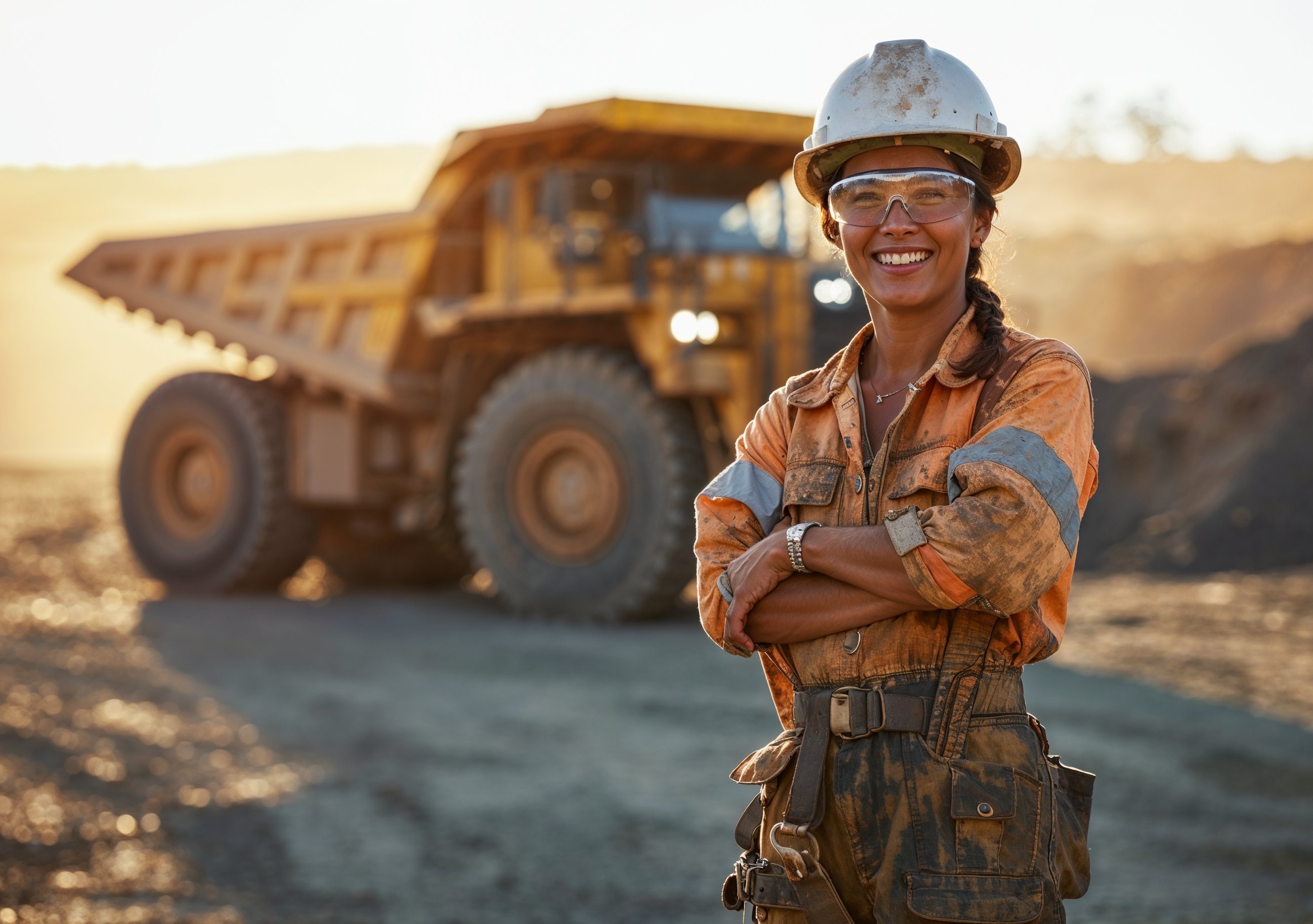
Career paths in mining for women
Mining encompasses far more than truck driving and underground operations.
Operational and trades roles: truck and machinery operators, drillers, plant operators, processing technicians, fitters, electricians.
Engineering and technical: mining engineers, mechanical engineers, civil engineers, geological engineers, metallurgists, environmental engineers.
Geoscience and exploration: geologists, geophysicists, exploration scientists.
Environmental, health and safety: environmental advisors, rehabilitation specialists, HSE leads, occupational hygienists.
Corporate and support: finance, legal, HR, communications, IT, supply chain, procurement, often based in capital cities or regional hubs rather than on-site.
Leadership tracks: site management, technical specialism, corporate executive paths.
The variety means mining offers careers from trades certificates through to PhDs, in roles based on remote sites, regional towns, or city offices.
How to enter the mining industry
Three main pathways.
1. Apprenticeships and traineeships. The Australian Apprenticeship Priority List includes a number of mining-related trades, with priority occupation incentives available for women. Programs like the Drillers Offsider Traineeship offer paid entry-level routes.
2. Graduate programs. Most major Australian miners run structured graduate programs across engineering, geoscience, metallurgy, finance and operations. These typically involve rotations across functions and sites in your first one to two years. [INSERT DATA: confirm 2 to 3 named graduate programs from endorsed mining employers including Gold Fields, Newmont, Westgold or BHP.]
3. Career pivots from adjacent industries. Mining values transferable skills. Engineering, project management, finance, supply chain, HR and safety experience from other industries (construction, infrastructure, manufacturing) translates well.
What you’ll need depends on the role. Operational roles require relevant tickets and inductions. Technical roles require specific qualifications. Corporate roles often have similar requirements to other industries plus an openness to the operating context.
Salaries in Australian mining (with the gender pay gap context)
Mining pays well. Entry-level operator and trade roles often start in the $80,000 to $100,000 range with allowances. Engineering and technical graduate roles typically start at $80,000 to $95,000. Mid-career professionals (5-10 years’ experience) can earn $150,000 to $200,000+ depending on role and roster.
The gender pay gap in mining is one of the largest in the country. WGEA data shows the sector has a gender pay gap of approximately 20 percent, with most mining employers above the national midpoint of 11.2 percent. The driver isn’t equal pay for equal work (which is required by law) but workforce composition: men dominate the highest-paid operational and senior leadership roles, while women are concentrated in support functions and lower pay quartiles.
This is changing. Some major miners have committed to specific representation targets in operational and leadership roles. The 2026 WGEA gender equality targets are accelerating the conversation.
The honest reality of working on a mine site
If you’re considering an operational or technical role with site time, here’s what’s worth knowing.
FIFO and DIDO rosters. Fly-in fly-out arrangements typically run 8/6, 2/1 or similar patterns. You fly in for a stretch and home for a break. Some operators are moving to shorter cycles, even-time rosters, or residential alternatives. DIDO (drive-in drive-out) is more common in regional Western Australia and Queensland.
Camp life. Most sites operate camp accommodation. Quality varies enormously. The strongest operators have invested in camp upgrades including secure single-occupancy rooms with in-room facilities, dedicated women’s areas, gym and recreation facilities, and 24-hour security.
Safety, harassment and the reforms underway. The 2022 parliamentary inquiry into sexual harassment in the WA mining industry made hard reading. Major operators have since committed to specific reforms including independent reporting mechanisms, mandatory bystander training, and zero-tolerance policies. Progress is uneven across the sector.
What good employers do differently. The strongest mining employers have meaningfully better outcomes on retention, leadership representation and reported safety. They invest in camp infrastructure, take harassment reporting seriously, offer real flexibility, and run targeted programs for women’s progression.

Best mining companies for women in Australia
WORK180 endorses several major mining employers including Gold Fields, South32, Alcoa, and Mineral Resources. Each carries our badge having met our endorsement standards as a workplace that supports women.
You can compare mingin compaies in Australia here
Five questions to ask before accepting a mining role
- “What’s the roster, and what flexibility exists within it?”
- “What changes have been made to camp safety in the last 24 months, and what reporting mechanisms are in place?”
- “What’s the gender breakdown of operational leadership specifically, and how is it changing?”
- “What’s the parental leave specifically for primary carers, and is it accessible to FIFO workers?”
- “Can you tell me about a recent return to site after parental leave that’s worked well?”
The first three are about the day-to-day reality. The last two are about the long-term sustainability of the career.
Key takeaways
- Mining offers some of Australia’s highest wages, but women are still only 22 percent of the workforce.
- The industry is genuinely changing, particularly in major operators with specific commitments to representation and safety.
- Career paths range from trades certificates to PhDs, on-site or city-based.
- Pay gaps are driven by workforce composition, not equal pay. Major operators are now setting targets to address this.
- Camp safety, harassment reforms and parental leave specifics are decisive questions before accepting any operational role.
- The first three are about the day-to-day reality. The last two are about the long-term sustainability of the career.
Frequently asked questions
Do I need a trade to work in mining?
No. Mining has roles requiring trades certificates, university degrees, or no formal qualification at all. The industry pays well at every level.
What’s the difference between FIFO and DIDO?
FIFO (fly-in fly-out) means you fly to site for your roster and home for your break. DIDO (drive-in drive-out) means you drive. Some sites are residential, where employees live locally.
Can I work in mining with kids?
Yes, but the operating model matters. Some rosters are family-compatible, others are very challenging. The strongest mining employers offer real flexibility and meaningful parental leave that includes return-to-site planning.
Are mining jobs safe for women now?
The 2022 inquiry highlighted serious problems and major operators have committed to reforms. Progress is real but uneven. Ask the specific questions about camp safety, reporting mechanisms and recent changes before accepting any role.
What’s the highest-paid entry-level mining role?
Truck operators, drillers and processing technicians often start at $90,000+ with allowances. Engineering graduate roles typically start at $80,000-$95,000.


