

You do your research before accepting a job offer. You check the culture. You look at who’s in the room. You notice, quietly, whether anyone who looks like you is leading anything.
That instinct is good. Trust it. And use it.
Because the difference between an organisation that talks about gender balance and one that is actually building it shows up in specific places: in how they hire, who they sponsor, whether the pay bands are visible, whether flexibility is genuinely on the table or just listed in the handbook. It shows up in whether a leader can name what they changed last year, not just what they believe.
We asked people leaders from seven endorsed employers what that actually looks like in practice. What they share is a clear-eyed understanding that gender equity is not a nice-to-have. It is a business imperative.
- AEMO: Accountability without apology
- Sandvik: Investing in the people already in the room
- TBH: Board-level commitment, transparent progress
- Thales Group: Building careers from day one
- The Perth Mint: Structure over symbolism
- Urban Utilities: Equity that reflects the community
- V/Line: Long game, local ownership
AEMO: Accountability without apology
Glenn Jackson, EGM People & Culture at AEMO, operates in a sector that has historically skewed male. His view on what it takes to shift is unambiguous.

“Achieving meaningful and lasting change requires more than good intent; it demands deliberate leadership, accountability and a sustained focus on culture.”
— Glenn Jackson, EGM People & Culture at AEMO
AEMO’s approach is end-to-end: attract new colleagues with as close to gender balance as possible, then build strong internal pipelines through career development, mentoring, and an environment where people want to stay and grow. Data drives accountability throughout; measuring outcomes, celebrating progress, and self-correcting when things stall.
For Glenn, the business case and the equity case are the same case:
“Gender equity cannot be treated as a passing initiative or a ‘nice to have’. It is core to sustained success because gender balanced organisations are safer, more inclusive and consistently higher performing with the right talent.”
Sandvik: Investing in the people already in the room
For Troy Montgomery, General Manager HR & EHS at Sandvik Mining, gender equity cannot live on the periphery of the business. It belongs in everyday.

“Real change happens in the everyday decisions we make; who we hire, how we support people, and the opportunities we create for them”
— Troy Montgomery, General Manager HR & EHS at Sandvik Mining,
Troy is particularly focused on opening operational, technical, and frontline leadership roles to women – areas that have traditionally excluded them. But access alone is not enough. The culture that greets people when they arrive matters just as much: inclusion, flexibility, parental support, and the day-to-day behaviours that shape whether someone genuinely feels they belong.
On accountability, his position is direct:
“Accountability really starts with being clear that gender equity is a leadership responsibility, not something that sits with HR alone.”
And his advice for leaders who want to move beyond intention?
“Treat gender equity as a business priority, not a passion project. Take the time to understand the lived experiences of women in your business. The barriers are often subtle, and you only really see them when you ask questions and pay close attention to the answers.“
TBH: Board-level commitment, transparent progress
TBH has anchored its gender equity work in governance. Concrete targets — 40% women across the organisation and 30% women in leadership by 2030 — have been agreed upon at Board and Executive level, and progress is reported on transparently and regularly.
TBH’s CEO, Gy Wallace chairs their DEI Committee and, along with their Managing Director, plays a pivotal role in this process. Both are closely involved in setting objectives and agreeing on actions for the business.
That level of structural accountability is matched by investment in education. DEI, anti-discrimination and anti-bullying training has been rolled out to all employees. In 2024, TBH launched its inaugural Women in Leadership Program with unconscious bias training delivered to both participants and the Executive Team, and plans to extend it to the full organisation this year. The team is also clear that transparency is not optional: regular updates on DEI progress are shared with employees, keeping the whole organisation engaged in the work.
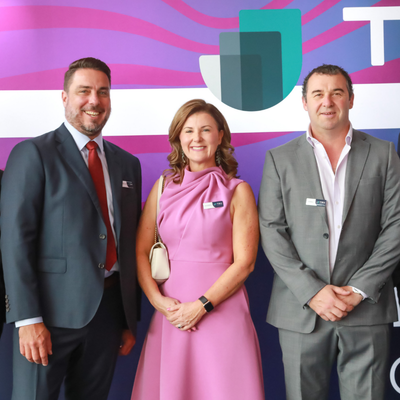
“Achieving gender equity requires ongoing commitment, a focus from many angles, and hard work at every level of the organisation. There’s no final destination, rather it’s a continuous journey. With dedication and collaboration, we are committed to creating an even more equitable workplace for everyone.”
— Janene Kellaway, CPO, TBH
Thales Group: Building careers from day one
Most organisations think about gender equity in terms of who is already in the building. Thales Group starts earlier.
Saskia Spaan, Early Careers Manager at Thales Group, makes the case that building gender balance starts before habits form — with how organisations invest in women from their very first professional role.
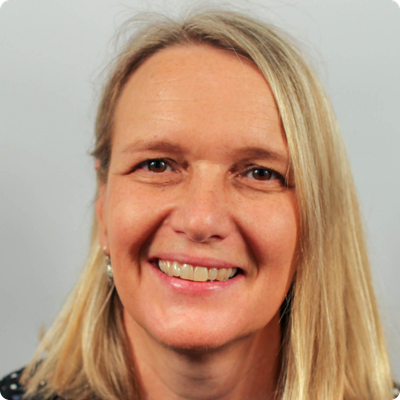
“At Thales in Australia, structured apprentice, trainee and graduate programs give early career women access to experienced technical specialists, complex real-world projects, and a culture that actively encourages questions, ideas, and contributions from day one. “A first role is more than a stepping stone — it’s the beginning of a long-term career pathway shaped by curiosity, impact and collaboration,” Saskia says.
— Saskia Spaan, Early Careers Manager at Thales Group
The Women in Thales (WiT) network provides the structural scaffolding that makes this sustainable: mentoring, peer connections, development workshops, and visible role models in senior positions. These are not soft add-ons, they are the supports that make early investment stick.
Internal mobility reinforces the long-term commitment, enabling employees to move across functions and leadership pathways rather than being confined to where they started
The Perth Mint: Structure over symbolism
Mel Brown’s approach to gender equity at The Perth Mint is deliberate. Specific priorities, measurable commitments, and a frank acknowledgement of what actually drives lasting change.
Her three focal areas: attracting and advancing women into leadership through intentional pathways and sponsorship; closing the gender pay gap through evidence-based practice across the full employee lifecycle; and making pay transparent, meaning salary bands, promotion criteria, and remuneration frameworks that are visible and consistently applied.
As Executive Co-Sponsor of the Gender Equity Employee Resource Group, Brown is direct about the temptation organisations face to prioritise appearances over architecture.
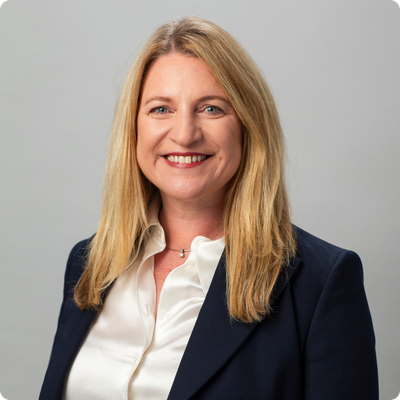
“Sustainable progress requires senior leaders to focus on equity, not optics. Prioritise structural and systemic change over quick wins and short term metrics.”
— Mel Brown, Chief Risk Officer and Deputy CEO at The Perth Mint, and Executive Co-Sponsor of the Gender Equity Employee Resource Group
Accountability at The Perth Mint is embedded through executive co-Sponsors, measurable representation goals for women and non-binary employees, regular reporting, and transparent dashboards that track outcomes at the business unit level.
For someone starting out and wondering whether pay transparency is something organisations actually do or just say they do: The Perth Mint is a useful case study.
Urban Utilities: Equity that reflects the community
James Dymock, Executive Leader People & External Relations at Urban Utilities, has a simple test for whether gender equity is working: does the workforce genuinely reflect the community it serves?

“Achieving a balanced workplace in a real and authentic way isn’t about hitting KPIs on paper.”
— James Dymock, Executive Leader People & External Relations at Urban Utilities
His priorities are practical: salary range transparency in job advertisements, flexible working, gender pay equity, gender-neutral parental leave, mentorship programmes, and a sustained focus on female representation in STEM.
“Representation of women in STEM continues to be a huge opportunity, as these are traditionally male-dominated areas that require intentional, long-term focus to embed a culture of equity,” he says.
On staying honest about progress, Dymock keeps it straightforward:
“When it comes to driving sustainable change: keep listening, learning and reflecting to better understand how your team members might experience work and life differently, and take action where you can. When we get it right, everyone benefits.”
V/Line: Long game, local ownership
Harry Hilliar, Chief People Officer at V/Line, carries a challenge of scale that most leaders do not face. With nearly 100 locations across Victoria, keeping gender equity momentum alive requires more than central policy — it requires local leaders who are genuinely equipped and held accountable.

“We can’t just set targets and hope — we need to support our local leaders in both their recruitment and retention of women to ensure we continue towards gender equality.”
— Harry Hilliar, Chief People Officer at V/Line
That support is reinforced by monthly, quarterly and annual reporting to senior leaders, alongside bi-annual reporting obligations under the Gender Equality Act to the Commission for Gender Equality in the Public Sector.
His counsel on lasting change reflects the discipline that scale demands:
“Frenzied activity over a short period of time will not create sustainable organisational change, however consistent and measurable initiatives implemented over a longer period of time will.”
What this means for you
Seven organisations. Seven different industries. One consistent finding: the places making real progress on gender equity are the ones where senior leaders have made it a leadership responsibility, not an HR programme.
They measure it. They report it. They connect it to business performance and they stay in it through the uncomfortable stretches when change is slow.
That is useful information if you are deciding where to take your career. Because the gap between an employer who believes in gender equity and one who is accountable for it is not abstract. It shows up in your day-to-day experience, your access to opportunities, your salary, and whether the people making decisions about your future look anything like you.
Trust the instinct that made you do your research. And look for the specifics.

